
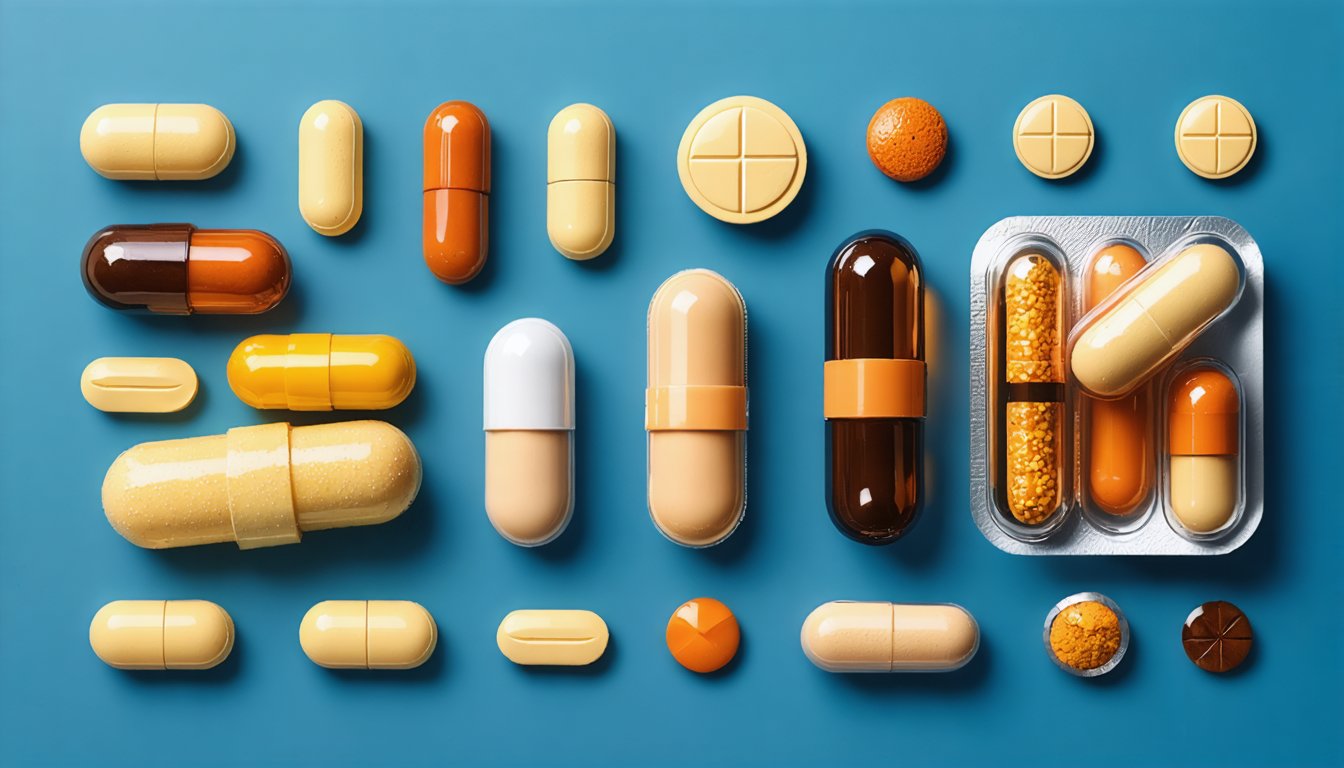
« Men’s sexual health supplements« : options and how to choose the right one
Disclaimer: This article is for educational purposes only and does not replace medical advice. Men’s sexual health supplements may interact with medications or underlying conditions. Always consult a qualified healthcare professional before starting any supplement, especially if you have cardiovascular disease, diabetes, hormonal disorders, or take prescription drugs.
Who needs it and what goals are common
Interest in sexual performance boosters and male vitality supplements is common across different age groups. However, the reasons vary:
- Erectile difficulties (occasional or persistent).
- Low libido or reduced sexual desire.
- Fatigue and low energy affecting sexual performance.
- Concerns about testosterone levels.
- Fertility support (sperm quality and motility).
- Age-related changes in sexual function.
Before choosing any supplement, it is essential to identify the root cause. Erectile dysfunction (ED), for example, may signal cardiovascular disease, metabolic syndrome, anxiety, or medication side effects. Supplements can support certain aspects of sexual health, but they are not substitutes for diagnosis and treatment.
Options: categories of men’s sexual health supplements
1. L-arginine and nitric oxide boosters
When used: Often chosen for mild erectile difficulties or to enhance blood flow. L-arginine is a precursor of nitric oxide, which helps relax blood vessels.
Pros:
- May improve penile blood flow.
- Widely available and relatively affordable.
- Some evidence for mild ED improvement.
Cons:
- Effects may be modest.
- Requires consistent dosing.
Limitations/risks:
- May lower blood pressure.
- Possible gastrointestinal discomfort.
- Interaction risk with nitrates or antihypertensives.
Discuss with a doctor if: You have heart disease, take nitrates, or experience chest pain. For more insights on cardiovascular safety, see our Articles de presse.
2. Herbal extracts (ginseng, maca, tribulus, horny goat weed)
When used: For low libido, vitality, or mild performance concerns. Ginseng is among the most studied herbal options.
Pros:
- Some clinical evidence (especially for Panax ginseng).
- May improve energy and mood.
- Often perceived as “natural.”
Cons:
- Variable quality and standardization.
- Effects differ between individuals.
Limitations/risks:
- Possible insomnia, headaches, digestive upset.
- Potential interactions with anticoagulants or antidepressants.
Discuss with a doctor if: You take blood thinners, have hormone-sensitive conditions, or chronic illness. Watch our expert overview in the Vidéos du groupe.
3. Testosterone-support formulas (zinc, vitamin D, D-aspartic acid)
When used: For men concerned about low testosterone symptoms—fatigue, low libido, decreased muscle mass.
Pros:
- Helpful if a true deficiency exists (e.g., zinc or vitamin D).
- Supports overall metabolic and immune health.
Cons:
- Limited effect if testosterone levels are already normal.
- Marketing claims may exceed evidence.
Limitations/risks:
- Excess zinc may cause copper imbalance.
- High-dose vitamin D can lead to toxicity.
Discuss with a doctor if: You suspect hypogonadism. Blood testing is essential before assuming low testosterone.
4. Antioxidants for fertility (CoQ10, selenium, vitamin E, omega-3)
When used: In cases of male factor infertility or suboptimal sperm parameters.
Pros:
- May improve sperm motility and oxidative balance.
- Often part of fertility treatment plans.
Cons:
- Results take time (at least 3 months).
- Not effective for structural or genetic causes.
Limitations/risks:
- High doses may cause gastrointestinal upset.
- Over-supplementation without monitoring is not advised.
Discuss with a doctor if: You and your partner have been trying to conceive for 6–12 months without success. See related updates in our Actualités.
5. Combination “male enhancement” products
When used: For broad goals—erection, libido, stamina.
Pros:
- Convenient multi-ingredient formulas.
- May target several mechanisms simultaneously.
Cons:
- Ingredient doses may be too low to be effective.
- Higher risk of hidden or undeclared substances.
Limitations/risks:
- Some over-the-counter products have been found to contain undisclosed PDE5 inhibitors.
- Quality control varies.
Discuss with a doctor if: You have chronic conditions, use prescription ED medications, or notice side effects.
Large comparison table
| Approach | For whom | Effect/expectations | Risks | Notes |
|---|---|---|---|---|
| L-arginine / NO boosters | Mild ED, vascular issues | Modest improvement in erection quality | Low BP, GI upset | Avoid with nitrates |
| Ginseng and herbal extracts | Low libido, fatigue | Improved vitality, possible ED support | Drug interactions, insomnia | Standardized extracts preferred |
| Zinc/Vitamin D formulas | Men with confirmed deficiency | Hormonal support if deficient | Toxicity at high doses | Test levels before supplementing |
| Antioxidants (CoQ10, selenium) | Male infertility cases | Improved sperm parameters over time | GI discomfort | Requires 3+ months use |
| Combination products | General performance concerns | Variable, depends on formula | Undeclared ingredients | Choose reputable brands |
For clinical perspectives and policy discussions, browse our Articles du groupe.
Common mistakes and misconceptions when choosing
- Assuming “natural” means safe. Herbal does not equal risk-free.
- Skipping diagnosis. ED can signal cardiovascular disease.
- Overdosing. More is not better and may be harmful.
- Ignoring interactions. Especially with antihypertensives or antidepressants.
- Expecting instant results. Some supplements require weeks or months.
- Buying from unreliable sources. Risk of contamination or counterfeit products.
Mini-guide to preparing for a consultation
Before seeing a healthcare professional, prepare the following:
- Symptom log: onset, duration, frequency of erectile or libido issues.
- Medical history: diabetes, hypertension, depression, prostate conditions.
- Medication list: prescriptions, OTC drugs, supplements.
- Lifestyle details: smoking, alcohol, exercise, sleep.
- Recent lab results: testosterone, glucose, lipid panel if available.
- Questions:
- Is my issue likely hormonal, vascular, or psychological?
- Do I need blood tests?
- Are supplements appropriate in my case?
FAQ
1. Do men’s sexual health supplements really work?
Some have evidence for specific uses (e.g., ginseng for mild ED, antioxidants for sperm health). Effects are typically moderate and depend on the cause.
2. Are they safe with prescription ED medications?
Not always. Combining supplements with PDE5 inhibitors may increase side effects. Review safety updates in our Non classé section.
3. How long before I see results?
Herbal or circulation-support products may take several weeks. Fertility supplements often require at least 3 months.
4. Can supplements increase testosterone significantly?
They may help if you have a documented deficiency. Otherwise, effects are usually limited.
5. Are online “male enhancement” pills safe?
Some have been found to contain undeclared pharmaceutical ingredients. Choose regulated products and consult a healthcare provider.
6. Should younger men use these supplements?
Only if medically indicated. In younger men, sexual issues are often stress- or anxiety-related.
7. What lifestyle changes improve results?
Regular exercise, weight control, balanced diet, smoking cessation, adequate sleep, and stress management significantly enhance sexual health.
Sources
- National Institutes of Health (NIH) – Office of Dietary Supplements.
- American Urological Association (AUA) Guidelines on Erectile Dysfunction.
- European Association of Urology (EAU) Guidelines on Sexual and Reproductive Health.
- Mayo Clinic – Erectile dysfunction and supplements overview.
- World Health Organization (WHO) – Sexual health framework.